



Our approach focuses on helping people reconnect at every level we can meaningfully support. That philosophy shapes everything we do, from clinical programming and family involvement to staff culture and experiential care. Our work is deeply relational and grounded in accountability: we measure outcomes and keep refining our model so care stays both compassionate and clinically sound.
Most people who come to us are not facing a single challenge in isolation. Substance use, gambling, trauma, anxiety, depression, and relationship strain are often intertwined. Rather than treating each one in a separate place, we treat the whole person through one integrated outpatient program and one collaborative team.
Care is organized around a coherent model rather than a loose collection of groups, so concepts build on each other and skills carry from the session room into daily life. That structure is what turns insight into lasting change.
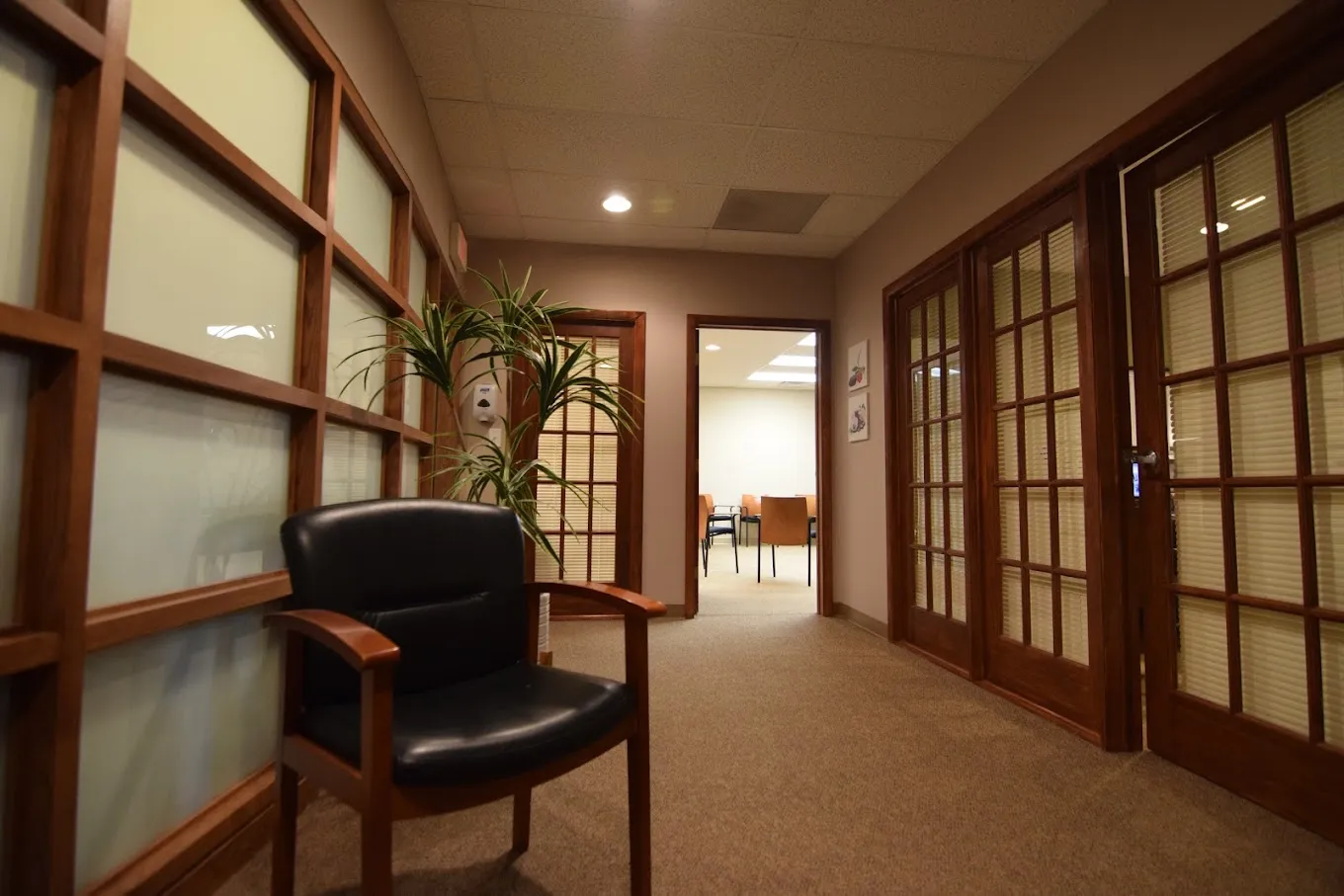
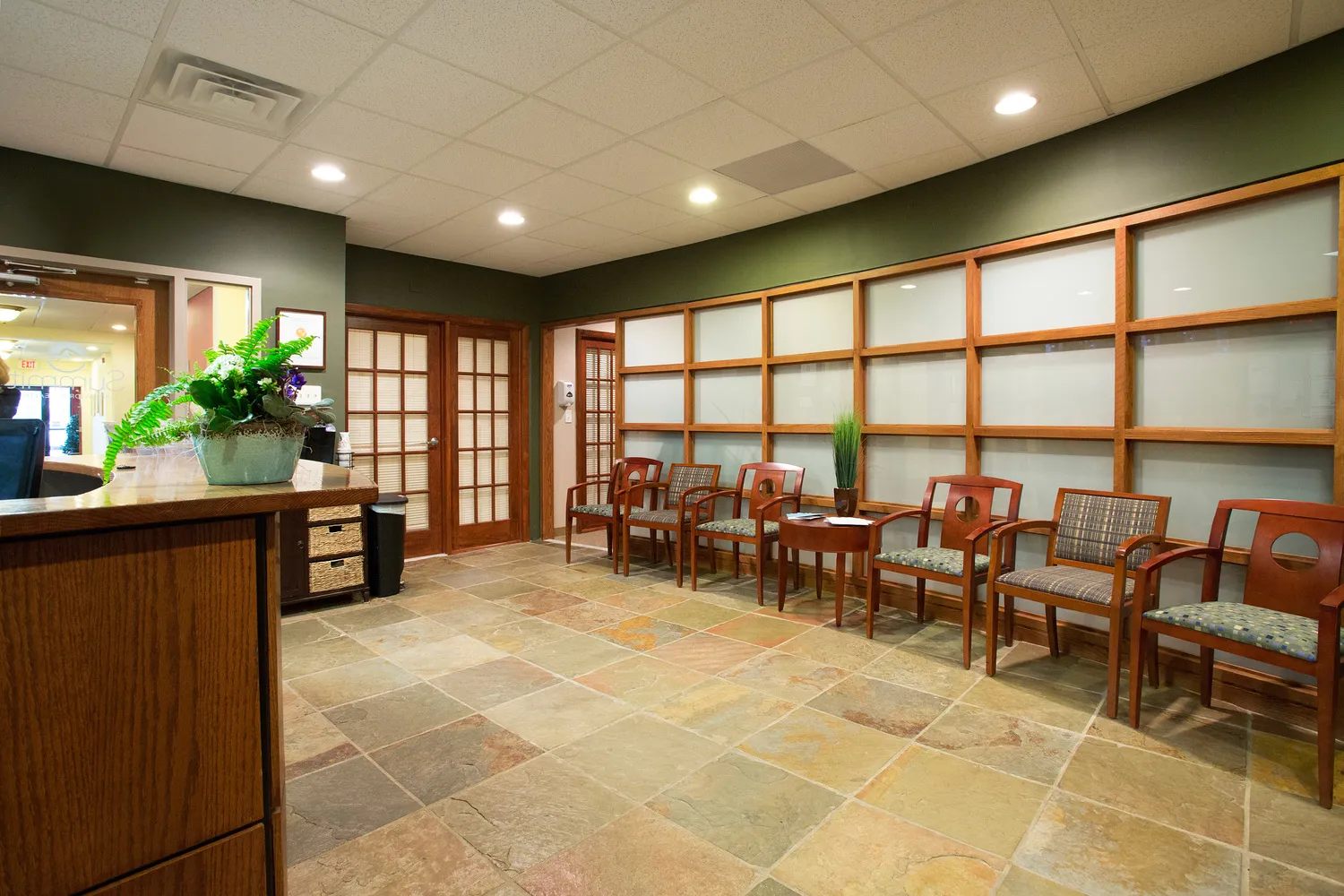

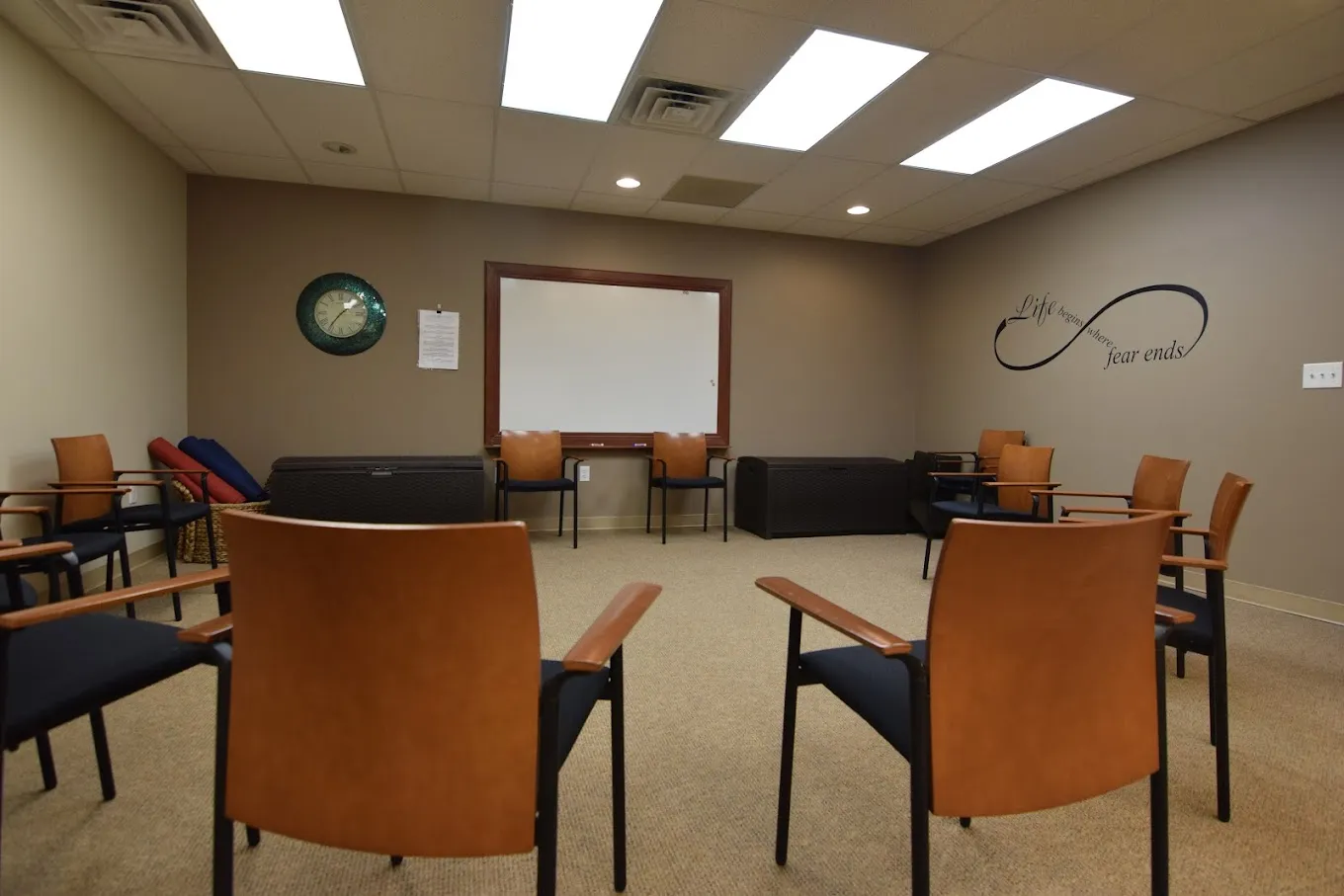

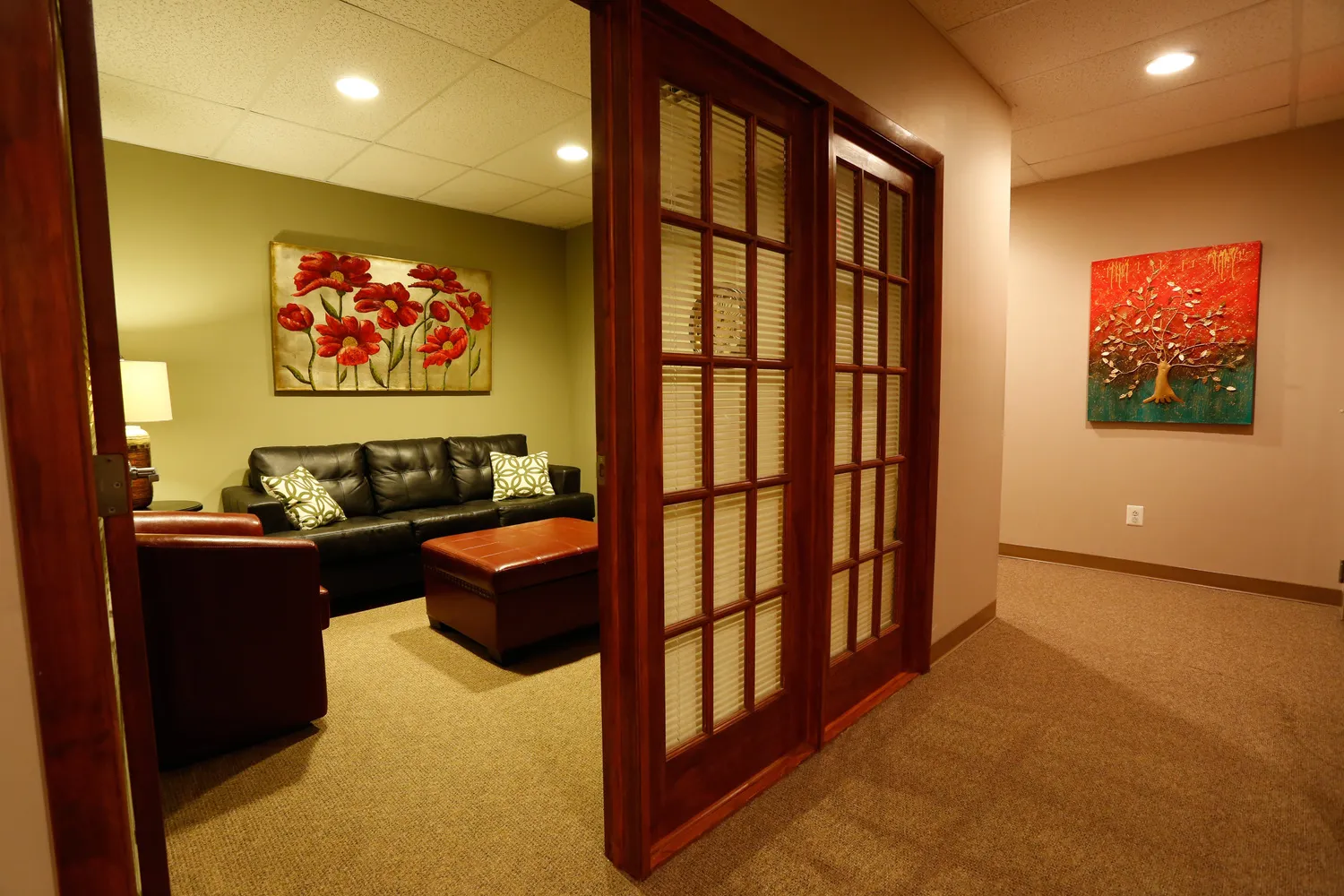


Gambling disorder is a recognized behavioral addiction. Like substance use, it involves changes in the brain’s reward system, and it often develops alongside anxiety, depression, or substance use. At BriteLife Behavioral Health at Princeton, gambling addiction is treated in outpatient care, so you can address it while keeping up with work, school, and family.
Gambling may have become a problem when it is hard to stop, when losses are chased with more gambling, when the time or money spent is hidden from others, when bills and relationships begin to suffer, or when gambling becomes a way to escape stress or low mood. Recognizing these patterns early makes them easier to change.
Treatment draws on the same evidence-based approaches we use across our programs: cognitive behavioral therapy to change the thoughts and urges that drive gambling, motivational interviewing to build momentum for change, and group and family work to rebuild trust and accountability. Any co-occurring substance use or mental health condition is treated at the same time, through flexible IOP and GOP scheduling.