
What Is Optum?
Optum is a health services and innovation company and wholly owned subsidiary of UnitedHealth Group. Unlike traditional insurance companies, Optum provides healthcare services, technology solutions, and pharmacy care while also managing behavioral health benefits for various insurance plans. The organization operates through three primary divisions: OptumHealth (care delivery services), OptumRx (pharmacy care services), and OptumInsight (data analytics and technology solutions).
United Behavioral Health (UBH), which was officially formed in 1997, operates under the Optum brand and manages behavioral health services for UnitedHealthcare members and other health plans. Optum provides behavioral health management services for commercial insurance plans, Medicare, Medicaid, and employer-sponsored health programs.
Understanding the Relationship: UnitedHealthcare, Optum, and United Behavioral Health
The relationship between these entities can be confusing, but here's how they work together:
- UnitedHealth Group – The parent company ranked among Fortune's top 5 companies
- UnitedHealthcare – The insurance arm that provides health insurance coverage and benefits
- Optum – The health services arm that delivers care, manages pharmacy benefits, and coordinates behavioral health services
- United Behavioral Health (UBH) – Manages mental health and substance use disorder benefits for UnitedHealthcare and other insurers, operating under the Optum brand
If you have UnitedHealthcare insurance, your behavioral health benefits are likely managed by Optum/United Behavioral Health. However, Optum also manages behavioral health benefits for other insurance carriers, including many employer-sponsored plans, state Medicaid programs, and commercial insurers. When you see "Optum" listed on your insurance card or in your benefits materials, this typically indicates that Optum manages your behavioral health coverage even if your medical insurance is through a different carrier.
Does Optum Cover Addiction Treatment?
Yes, Optum covers addiction treatment services. Under the Affordable Care Act (ACA), substance use disorder treatment is classified as an essential health benefit that all major health insurance plans must cover. The Mental Health Parity and Addiction Equity Act (MHPAEA) requires that behavioral health benefits receive coverage comparable to medical and surgical benefits.
Optum provides comprehensive behavioral health coverage addressing substance use disorders including addiction to alcohol, opioids, stimulants, sedatives, marijuana, and other substances. Optum manages these benefits using evidence-based clinical criteria to determine medical necessity and appropriate levels of care.
Optum uses clinical criteria developed by the American Society of Addiction Medicine (ASAM), specifically the ASAM Criteria Fourth Edition, to make coverage determinations for substance-related disorder benefits. This standardized assessment tool evaluates multiple dimensions of a person's condition to match them with the clinically appropriate treatment setting.
What Addiction Treatment Services Does Optum Cover?
Optum typically covers a full continuum of addiction treatment services across all levels of care:
Medical Detoxification
Medical detox helps individuals safely withdraw from alcohol, opioids, benzodiazepines, or other substances under medical supervision. Optum covers detoxification services including:
- Inpatient hospital-based detox – 24/7 medical monitoring and management in a hospital setting for severe withdrawal requiring intensive medical intervention
- Residential detoxification – Medically supervised withdrawal in a non-hospital residential facility with around-the-clock care
- Ambulatory detox – Outpatient medical withdrawal where you receive regular monitoring and medication while living at home
- Medication management – FDA-approved medications to reduce withdrawal symptoms and cravings
- Clinical monitoring – Assessment and management of physical and psychological withdrawal symptoms
Detoxification services focus on safely eliminating substances from your body while managing withdrawal symptoms through evidence-based medical protocols.
Inpatient/Residential Treatment
Residential treatment provides intensive, structured care in a therapeutic environment where you live at the treatment facility. Optum covers inpatient rehabilitation services including:
- 24/7 medical and clinical supervision and support
- Individual therapy with licensed addiction specialists
- Group therapy and process groups
- Evidence-based treatment modalities
- Psychiatric services and medication management
- Family therapy and education programming
- Therapeutic activities and wellness services
- Discharge planning and continuing care coordination
Residential treatment is appropriate for individuals who need immersive support, have severe substance use disorders, co-occurring mental health conditions, or require a structured environment removed from triggers and enabling environments.
Partial Hospitalization Programs (PHP)
PHP provides intensive structured treatment during daytime hours, typically five to seven days per week, while you return home or to a sober living environment in the evenings. Optum covers partial hospitalization as a step-down from residential treatment or as primary treatment for individuals who need significant support but can safely live outside a facility. PHP typically includes several hours of programming daily with intensive therapy, psychiatric services, medication management, and skill-building activities.
Intensive Outpatient Programs (IOP)
Intensive outpatient programs provide comprehensive treatment multiple days per week while you continue living at home and maintaining work, school, or family responsibilities. Optum covers IOP services including:
- Group therapy sessions multiple times weekly
- Individual counseling with licensed clinicians
- Family therapy and support
- Relapse prevention education and skill development
- Medication management and psychiatric services
- Care coordination with other providers
IOP typically involves nine or more hours of structured programming per week, often scheduled as three-hour sessions three days weekly, though schedules vary based on clinical needs and program design.
Outpatient Treatment
Standard outpatient services provide ongoing therapeutic support with regular sessions, typically one to two times weekly. Optum covers traditional outpatient behavioral health treatment including:
- Individual therapy with licensed therapists or counselors
- Group therapy and support groups
- Medication management with psychiatrists or prescribers
- Family counseling
- Continuing care and recovery support
- Virtual visits through telehealth platforms
Outpatient care helps maintain recovery gains, address ongoing challenges, and provide continuing support as you rebuild your life in recovery.
Medication-Assisted Treatment (MAT)
Optum covers FDA-approved medications for treating substance use disorders when combined with counseling and behavioral therapies. Coverage includes:
- Buprenorphine (Suboxone, Subutex) – For opioid use disorder treatment, reducing cravings and withdrawal symptoms
- Methadone – Provided through certified opioid treatment programs for opioid addiction
- Naltrexone (Vivitrol, ReVia) – For opioid and alcohol use disorder treatment, blocking euphoric effects
- Disulfiram (Antabuse) – For alcohol use disorder, creating unpleasant reactions to alcohol consumption
- Acamprosate (Campral) – For alcohol use disorder, reducing cravings and supporting abstinence
Medication-assisted treatment combines pharmacotherapy with counseling and behavioral therapies, an approach that research consistently shows improves treatment outcomes and reduces risk of overdose.
Evidence-Based Therapies
Optum covers therapeutic approaches with proven effectiveness in treating addiction:
- Cognitive Behavioral Therapy (CBT) – Identifies and modifies thought patterns and behaviors contributing to substance use
- Dialectical Behavior Therapy (DBT) – Builds skills for emotional regulation, distress tolerance, and interpersonal effectiveness
- Motivational Interviewing (MI) – Strengthens internal motivation and commitment to change
- Trauma-focused therapies – Addresses underlying trauma through approaches like EMDR (Eye Movement Desensitization and Reprocessing)
- Family therapy – Involves loved ones in healing and recovery processes
- Group therapy – Provides peer support and interpersonal learning in therapeutic settings
Dual Diagnosis Treatment
Optum covers integrated treatment for co-occurring mental health and substance use disorders. Research from the National Institute on Drug Abuse (NIDA) indicates that approximately half of individuals with substance use disorders also experience mental health conditions such as depression, anxiety, PTSD, bipolar disorder, or other psychiatric conditions. Optum's coverage includes:
- Comprehensive psychiatric evaluations
- Integrated treatment addressing both conditions simultaneously
- Medication management for mental health conditions
- Specialized dual diagnosis programming
- Coordinated care between addiction and mental health specialists
Telehealth and Virtual Care
Optum has significantly expanded virtual behavioral health services, with over 200,000 behavioral health providers now able to deliver care through telehealth platforms. Virtual care options include:
- Individual therapy via video or phone
- Group therapy sessions online
- Psychiatric evaluations and medication management
- IOP services delivered virtually
- Applied behavior analysis remote sessions
- Digital mental health tools and resources
Telehealth has become an essential access point for behavioral health services, with approximately 33% of behavioral health claims processed by Optum now involving telehealth visits.
Call 24/7 for Confidential Support – Our admissions specialists are ready to help you take the first step.
Choose the setting that speaks to you




Comprehensive Care, Personalized to You
BriteLife Recovery Pennsylvania
544 Iron Ridge Rd, Hanover, PA 17331
BriteLife Recovery in Hanover, Pennsylvania provides evidence-based detox and residential treatment with one-on-one, individualized care focused on total health and long-term recovery.

Personalized one-on-one care

Evidence-based therapies (CBT, TIC, BALM®, Nature-Informed)

In-network with major insurers


Advanced Treatment with Specialized Women’s Care
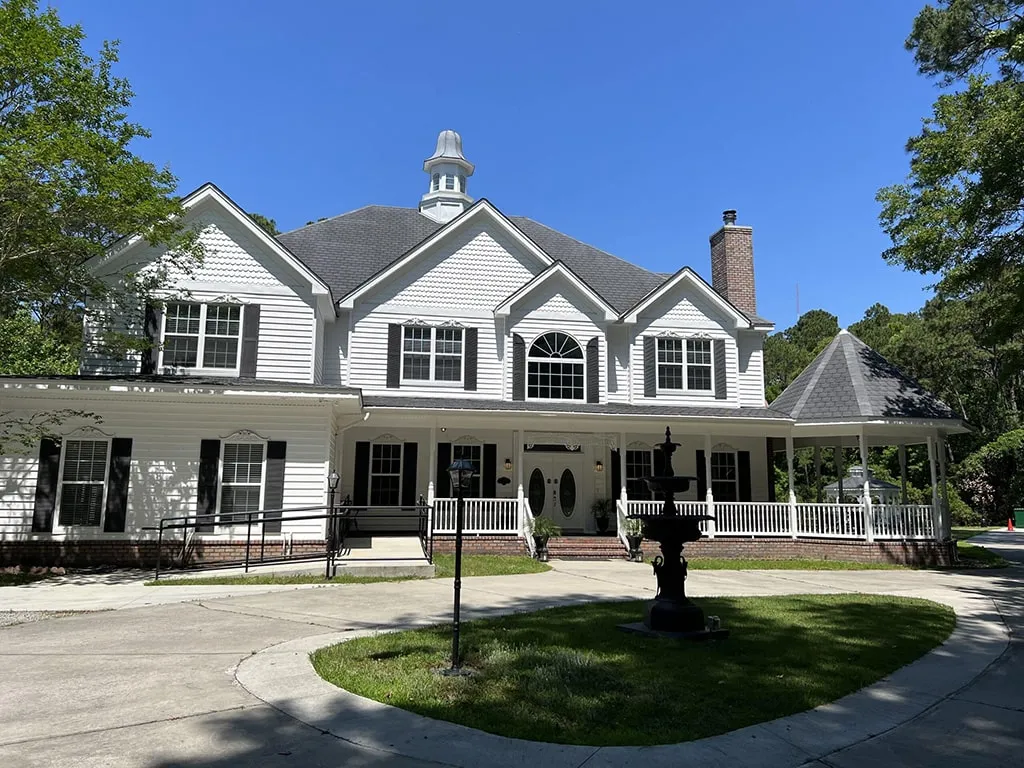
BriteLife Recovery South Carolina
2200 Main St, Hilton Head Island, SC 29926
BriteLife Recovery in Hilton Head Island, South Carolina delivers evidence-based detox and residential programs plus a nearby women’s residential program offering gender-specific, trauma-informed care for substance use and co-occurring conditions.
Women’s residential program (Bluffton)
Co-occurring disorder support and MAT

Family therapy and support








Catskills Retreat with Full Continuum of Care
BriteLife Recovery at Lexington (NY)
2774 NY-42, West Kill, NY 12492
Nestled in the serene Catskill Mountains, BriteLife Recovery at Lexington (NY), our West Kill, New York facility offers a tranquil, supportive setting with state-of-the-art addiction treatment. We combine holistic and evidence-based approaches and tailor programs to each client to support lasting recovery and a comprehensive path to wellness.
Customized Treatment Plans
Holistic Approach
Family Therapy
Understanding Your Coverage Costs
Your out-of-pocket costs for addiction treatment depend on your specific insurance plan that Optum manages. Common cost-sharing components include:
Deductibles
The amount you pay out-of-pocket before insurance coverage begins. Deductible amounts vary significantly by plan, ranging from several hundred to several thousand dollars annually.
Co-Payments
Fixed amounts you pay for specific services. Co-payments for behavioral health services vary by plan and service type. Some plans offer reduced or $0 co-pays for mental health and substance use disorder services to improve access to care.
Co-Insurance
After meeting your deductible, you typically pay a percentage of treatment costs (often 10-30%) while insurance covers the remainder. Co-insurance rates vary based on your plan design and whether providers are in-network or out-of-network.
Out-of-Pocket Maximum
The maximum amount you'll pay in a plan year for covered services. Once you reach this limit, your insurance covers 100% of covered services for the remainder of the plan year.
In-Network vs. Out-of-Network Coverage
Using Optum's in-network providers significantly reduces your costs. Optum maintains an extensive national network of behavioral health providers including over 200,000 licensed clinicians and facilities. Out-of-network care typically involves higher cost-sharing, with some plans providing limited or no out-of-network coverage for behavioral health services. Always verify whether your chosen treatment facility is in-network with Optum before beginning services.
Does Optum Require Prior Authorization?
Yes, most Optum-managed plans require precertification (prior authorization) for substance use disorder treatment services at certain levels of care. Authorization ensures that services meet medical necessity criteria and match the appropriate level of care to your clinical needs.
Services commonly requiring precertification include:
- Inpatient/residential treatment
- Partial hospitalization programs
- Intensive outpatient programs
- Certain outpatient services depending on plan requirements
- Extended treatment beyond initial authorization periods
The authorization process typically involves:
- Clinical assessment – Your treatment provider conducts a comprehensive evaluation
- Authorization request – The facility submits clinical information to Optum's utilization management team
- ASAM Criteria review – Optum clinicians review your case using standardized ASAM placement criteria
- Initial approval – Authorization granted for an initial treatment episode
- Concurrent reviews – Ongoing assessment of progress and continued medical necessity
- Care coordination – Collaboration between your treatment team and Optum case managers
Behavioral health emergencies requiring immediate intervention typically do not require prior authorization. Emergency services include crisis stabilization, suicide prevention intervention, and acute intoxication or withdrawal management.
At BriteLife Recovery, our admissions and clinical teams handle the prior authorization process for you. We work directly with Optum to verify coverage, obtain necessary approvals, submit ongoing clinical updates, and advocate for the treatment you need. Our experience navigating Optum's authorization systems ensures efficient processing.
How to Verify Your Optum Coverage
Before beginning treatment, verifying your specific coverage helps you understand financial expectations and ensures smooth access to care. Here's how to check your benefits:
- Check your insurance card – Look for Optum, United Behavioral Health, or UnitedHealthcare branding. The card typically includes member ID, group number, and customer service numbers
- Call the behavioral health number – Use the dedicated behavioral health phone number on your card (often different from medical customer service)
- Access online member portals – Log into your insurance company's member website or the Optum member portal for benefits information
- Review your Summary of Benefits – Look for the section titled "Mental Health, Behavioral Health, or Substance Abuse Services"
- Use the provider directory – Search Optum's provider network at ProviderExpress.com to find in-network facilities
- Contact the treatment facility – Call your chosen treatment center directly for benefits verification assistance
- Contact BriteLife Recovery – Our admissions specialists can verify your Optum coverage at no cost and explain your benefits clearly
Essential questions to ask when verifying coverage:
- What levels of care are covered (detox, residential, PHP, IOP, outpatient)?
- Is prior authorization required? What's the authorization process?
- What are my deductible, co-payments, co-insurance, and out-of-pocket maximum?
- Is the treatment facility in-network with Optum?
- Are there visit limits or treatment duration restrictions?
- Does my plan cover medication-assisted treatment?
- Is family therapy covered?
- What telehealth options are available?
- Do I need a referral from my primary care physician?
Verify Your Insurance in Minutes – Contact us today to check coverage for addiction treatment.
BriteLife Recovery Accepts Optum-Managed Insurance Plans
At BriteLife Recovery, we work with Optum-managed insurance plans to help you access comprehensive addiction treatment. With locations in Pennsylvania, South Carolina, New York, and New Jersey, we provide evidence-based care grounded in the understanding that substance use disorders arise from disconnection—from self, from others, and from meaning.
Our Trauma-Informed Treatment Approach
We offer person-centered care that honors your unique experiences, needs, and recovery goals. Our integrated treatment model combines medical, psychiatric, clinical, and wellness services:
- Medical detoxification with 24/7 supervision, medication management, and comfort-focused protocols
- Residential treatment in therapeutic environments designed to promote healing through authentic connection
- Individual therapy with licensed clinicians trained in evidence-based modalities including CBT, DBT, and MI
- Process-based group therapy addressing interpersonal patterns and fostering genuine connection
- Nature-Informed Therapy (NIT) integrating the healing power of nature with therapeutic practices through our certified NIT clinicians
- Adventure Recovery programming incorporating experiential activities in outdoor settings
- Medication-assisted treatment including Suboxone, naltrexone, and Vivitrol with ongoing medication management
- Dual diagnosis treatment for co-occurring mental health conditions with integrated psychiatric services
- Family programming including BALM (Be A Loving Mirror) support groups and family therapy
- Holistic wellness services such as yoga, acupuncture, art therapy, and mindfulness practices
- Comprehensive discharge planning with continuing care coordination and alumni support
Our Locations
Pennsylvania (Hanover) – Comprehensive detox and residential services with robust psychiatric care, diverse therapeutic programming, and holistic wellness services
South Carolina (Hilton Head Island) – Detox and residential treatment in a coastal setting with Nature-Informed Therapy, Adventure Recovery programming, and extensive holistic services
New York (West Kill, Catskill Mountains) – Detox and residential care surrounded by natural beauty with Adventure Recovery experiences including hiking, outdoor activities, and nature-based healing
New Jersey (Outpatient Services) – Intensive outpatient programming for individuals stepping down from residential care or seeking community-based treatment
Mental Health Parity Protections
The Mental Health Parity and Addiction Equity Act provides essential protections ensuring substance use disorder treatment receives coverage equivalent to medical and surgical benefits. Under these protections, Optum must ensure that:
- Financial requirements (deductibles, co-pays, co-insurance) for behavioral health are no more restrictive than those for medical/surgical benefits
- Treatment limitations (visit limits, authorization requirements) are no more restrictive than those for medical/surgical benefits
- Medical necessity criteria are based on generally accepted standards like ASAM Criteria
- Utilization management decisions follow clinical guidelines rather than financial incentives
- Provider network adequacy meets the same standards for behavioral health as for medical providers
Optum has implemented policies ensuring compliance with federal mental health parity requirements. Members have access to plan documents, medical necessity criteria, and coverage determination guidelines for both medical/surgical and behavioral health benefits through Optum's ProviderExpress website.
What If Optum Denies Coverage?
If Optum denies coverage for addiction treatment or limits your care, you have the right to appeal the decision. Denials can occur for various reasons including lack of medical necessity determination, treatment exceeding authorized duration, or services deemed not covered under your plan. Many denials can be successfully overturned through the appeals process.
Steps to Appeal a Denial
- Request written explanation – Ask Optum for detailed reasons for the denial, including specific clinical criteria not met
- Review your plan documents – Examine your Summary of Benefits and Certificate of Coverage to understand your rights
- Gather supporting documentation – Collect comprehensive clinical assessments, ASAM evaluations, progress notes, and treatment recommendations
- Submit formal appeal – File within specified timeframes (typically 180 days) with all supporting clinical documentation
- Request expedited review if urgent – For situations where standard timelines could jeopardize your health
- Seek professional assistance – Your treatment provider, patient advocates, or legal services can help navigate appeals
- File external review if needed – Request independent review by external medical reviewers if internal appeal is denied
- File parity complaints if appropriate – Contact the U.S. Department of Labor and your state insurance department if denial violates mental health parity laws
Employment Protections During Treatment
The Family and Medical Leave Act (FMLA) provides important job protections for eligible employees seeking addiction treatment:
- Up to 12 weeks of unpaid, job-protected leave for substance use disorder treatment
- Continuation of health insurance coverage during FMLA leave, including Optum-managed behavioral health benefits
- Restoration to the same or equivalent position upon return from treatment
- Protection from retaliation for taking medical leave
- Ability to take leave intermittently for ongoing treatment needs like IOP or outpatient services
Additional Optum Resources and Digital Tools
Optum provides several digital health resources and support tools for members:
- Virtual visit platform – Access to over 10,000 certified providers offering telehealth services
- LiveAndWorkWell.com – Comprehensive resource center (use access code "united" for UnitedHealthcare members)
- Sanvello Health app – Digital tool for managing stress, anxiety, and depression with self-guided resources
- AbleTo coaching services – Virtual behavioral health coaching grounded in cognitive behavioral therapy principles
- Calm Health app – Meditation and stress management tools integrated into behavioral health benefits
- Supportiv – Anonymous, real-time peer support moderated by trained individuals
- Employee Assistance Program (EAP) – Confidential support for emotional, financial, and work-life challenges (for members with EAP benefits)
- Substance use helplines – 24/7 crisis support and referral services
Next Steps: Getting Started with Treatment
If you're ready to explore addiction treatment using your Optum-managed insurance, BriteLife Recovery makes the process straightforward:
- Contact us – Call our admissions team 24/7 or reach out through our website
- Insurance verification – We verify your Optum coverage at no cost and explain your benefits
- Clinical assessment – Our team conducts a confidential assessment to recommend appropriate care
- Prior authorization – We handle all precertification requirements with Optum
- Admission coordination – We arrange your admission, answer questions, and address concerns
- Begin treatment – You start your recovery journey with comprehensive, compassionate care
- Ongoing authorization management – Our clinical team manages utilization reviews and advocates for continued care
Frequently Asked Questions
How long does Optum typically authorize for residential treatment?
Authorization lengths vary based on clinical assessment using ASAM Criteria and your individual needs. Initial approvals range from several days to weeks, followed by concurrent reviews to determine continued medical necessity. Your treatment team works with Optum case managers to advocate for the clinically appropriate length of stay.
Does Optum cover family therapy?
Yes, most Optum-managed plans include coverage for family therapy as part of substance use disorder treatment when clinically appropriate and recommended by your treatment team.
Can I use my Optum-managed insurance at BriteLife Recovery?
Contact our admissions team to verify your specific coverage for BriteLife Recovery's locations. We'll check your benefits, explain what's covered, and help you understand any out-of-pocket costs.
Does Optum cover telehealth for addiction treatment?
Yes, Optum significantly expanded telehealth coverage and now supports virtual visits for individual therapy, group therapy, medication management, and intensive outpatient services. Approximately one-third of behavioral health services are now delivered via telehealth.
What if my plan is through UnitedHealthcare?
If you have UnitedHealthcare insurance, your behavioral health benefits are managed by Optum/United Behavioral Health. The same coverage principles, authorization processes, and provider networks apply.
Do I need a referral from my primary care physician?
Referral requirements vary by plan type. HMO plans typically require primary care physician referrals for specialty services, while PPO plans usually do not. Check your specific plan requirements or ask when verifying coverage.
Conclusion
Optum manages behavioral health coverage for over 127 million people, providing comprehensive substance use disorder treatment benefits through an extensive national network of providers. As a health services company focused on making care more accessible and affordable, Optum combines clinical expertise, data analytics, and innovative technology to connect members with evidence-based addiction treatment.
Understanding your Optum-managed coverage, working with experienced treatment providers like BriteLife Recovery, and utilizing available resources ensures you can access the care needed for lasting recovery. If you or someone you care about is struggling with substance use, reaching out for help is the most important step. Your behavioral health benefits exist to support this journey toward healing and wholeness.
Ready to Help Your Loved One Find Hope?
When addiction threatens someone you care about, taking action can feel overwhelming. But you don't have to face this moment alone. BriteLife Recovery works alongside families and professional interventionists to create pathways toward healing—offering immediate access to compassionate, evidence-based treatment the moment your loved one is ready.
Our team understands that intervention is just the beginning. From medically supervised detox to residential treatment and beyond, we provide integrated care that addresses the whole person—mind, body, and spirit. With facilities in Pennsylvania, South Carolina, and New York, we're here to support your family through every step of the recovery journey.
Recovery starts with connection. Let us help you take the first step.